
The US Financial System Explained Simply For Newcomers

When I arrived in the United States I thought money was money. You earn it, you spend it, you save what is left. Simple right? Wrong. The US financial system operates in a way that felt completely foreign to me, and nobody handed me a guide. This post is the guide I wish I had.
Why Understanding your new country’s Financial System Matters
Before you can build wealth in America you need to understand how the system works. The rules here are different from almost every other country in the world. Your financial success in the US depends less on how hard you work and more on how well you understand and use the system.The good news? Once it clicks, it really clicks. Let us break it down piece by piece.
The 5 Pillars of the US Financial System
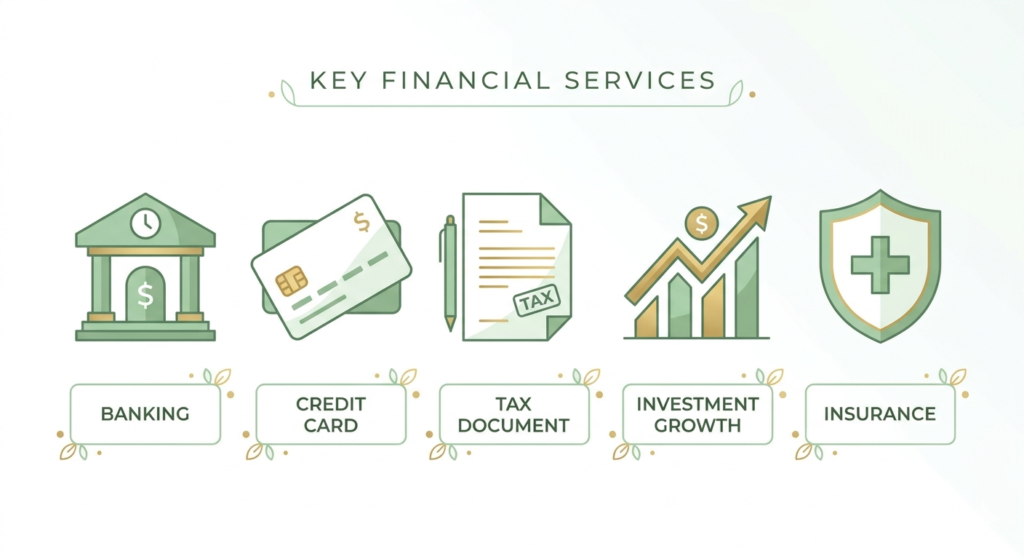
Pillar 1 — Banking
Banking in the US is the foundation of everything else. Without a US bank account you cannot receive a paycheck, pay bills online, build credit, or do much of anything financially.
What you need to know:
- There are two main types of banks, traditional banks like Chase, Bank of America, and Wells Fargo, and online banks like Chime and Ally
- Traditional banks have physical branches but often charge more fees
- Online banks usually have fewer fees and are easier to open with limited documents
- You will need either a Social Security Number or an ITIN to open most accounts
- Some banks like Chime accept a passport and visa for newcomers with no SSN yet
The two main account types:
Savings account: for storing money you are not spending right now
Checking account: for everyday spending. Your paycheck goes here

Pillar 2 — Credit
This is the one that shocks almost every newcomer.
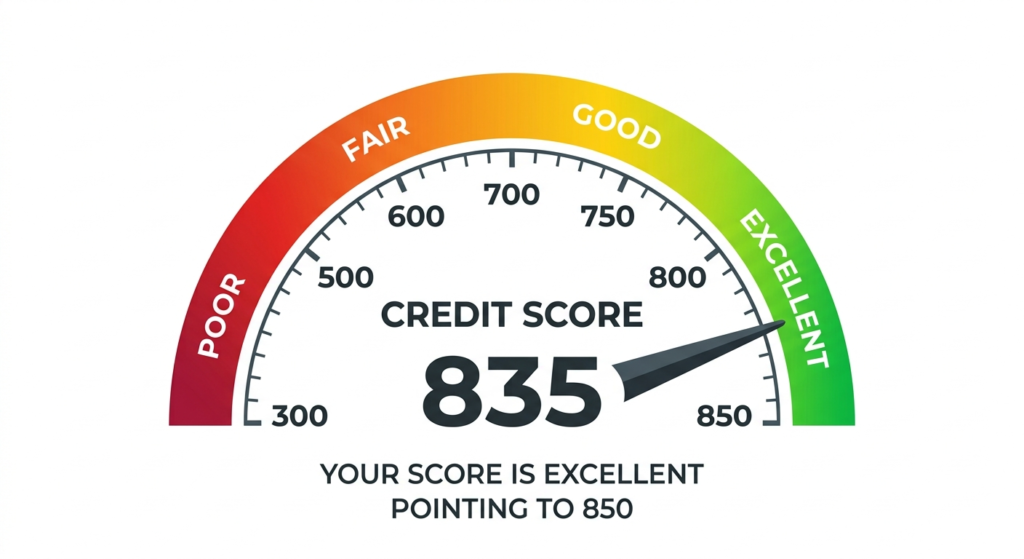
In the US your ability to rent an apartment, buy a car, get a mortgage, and sometimes even get a job depends heavily on your credit score, a three digit number between 300 and 850 that tells lenders how trustworthy you are with money.
When you arrive in the US you have no credit history. That means you essentially do not exist financially, even if you were a millionaire back in your home country.
What determines your credit score:
- Payment history, do you pay bills on time?
- Credit utilization, how much of your available credit are you using?
- Length of credit history, how long have you had credit?
- Types of credit, do you have a mix of cards and loans?
- New credit inquiries, how often are you applying for new credit?
The most important rule: Pay everything on time. Every single time. Nothing damages your credit faster than a missed payment.
Pillar 3 — Taxes
Taxes in the US are more complex than most countries, but understanding the basics makes everything less scary.
What you need to know:
- The US uses a federal income tax system, meaning the national government takes a percentage of what you earn
- Most states also have their own state income tax on top of federal tax
- Tax returns are filed once a year, the deadline is typically April 15th
- If you work for an employer taxes are automatically deducted from your paycheck
- If you are self employed or freelancing you are responsible for paying your own taxes quarterly
Key tax terms every newcomer must know:
- W-2 — the document your employer sends you showing how much you earned and how much tax was withheld
- 1099 — the document freelancers and self employed people receive
- Tax refund — money the government returns to you if you overpaid taxes during the year
- ITIN — Individual Taxpayer Identification Number used by people who do not have a Social Security Number
Pillar 4 – Investing
This is where real wealth is built in America, and where most newcomers wait far too long to start.
Investing means putting your money to work so it grows over time. While your savings account might earn 1-2% interest per year the stock market has historically returned an average of around 7-10% per year over the long term.
The most common investment vehicles in the US:
- 401(k): A retirement account offered by employers. Many employers match your contributions — this is essentially free money you should never leave on the table
- IRA (Individual Retirement Account): A retirement account you open yourself independently of your employer
- Index Funds: A simple low cost way to invest in hundreds of companies at once
- Stocks: Ownership shares in individual companies
- ETFs (Exchange Traded Funds): Similar to index funds but traded like stocks
The most important investing rule for newcomers: Start as early as possible. Even small amounts matter. Time in the market is more powerful than the amount you invest.

Pillar 5 – Insurance
In the US insurance is not optional, it is essential. Without the right coverage one unexpected event can wipe out everything you have worked hard to build.
The main types of insurance you need to understand:
- Health Insurance — covers medical bills. The US has no universal healthcare so this is critical. Many employers offer this as a benefit
- Auto Insurance — legally required in almost every state if you own a car
- Renters Insurance — covers your belongings if you rent. Surprisingly affordable and often overlooked
- Life Insurance — provides for your family if something happens to you. Especially important if you have dependents or send money home
What newcomers often miss: Many employers offer insurance benefits as part of your compensation package. Always read and understand your benefits package, it is part of your salary.

How These 5 Pillars Work Together
Here is the beautiful thing about the US financial system, when you understand how these five pillars connect everything starts to make sense.
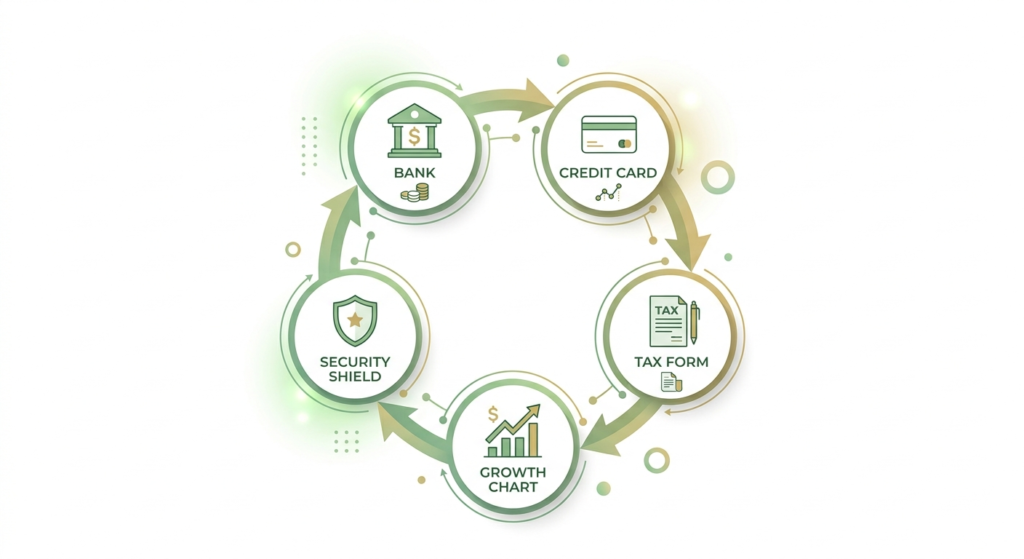
The journey looks like this:
- You open a bank account – you now exist in the US financial system
- You start building credit – you now have access to better rates and opportunities
- You understand taxes – you keep more of what you earn
- You start investing – your money starts working for you
- You get insured – you protect everything you are building
Each pillar supports the others. Ignore one and the whole structure weakens.
Where Should You Start?
if you are brand new to the US start in this order:
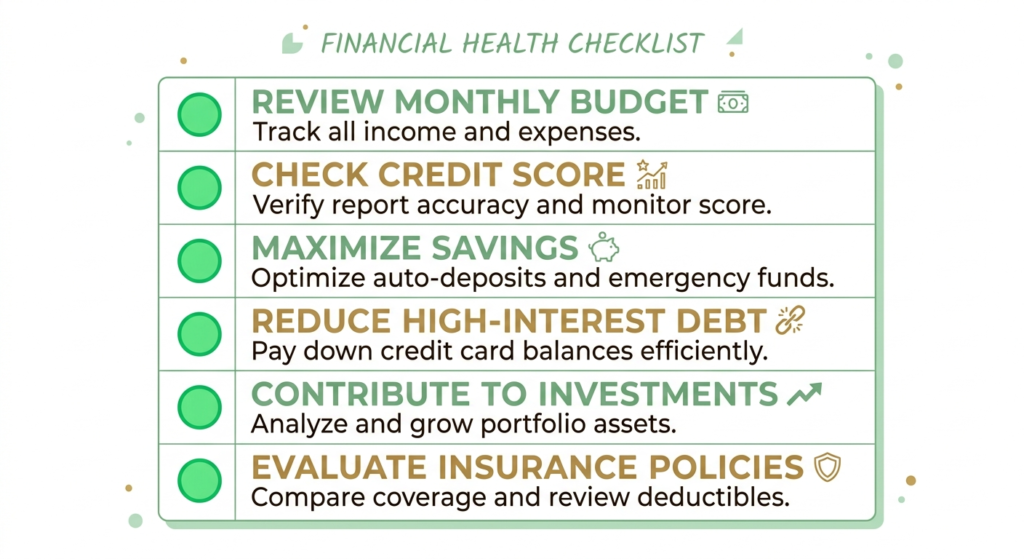
- Open a bank account: even a basic online account works to start
- Get your SSN or ITIN : you need this for almost everything
- Apply for your first credit card: a secured card is the easiest starting point
- Understand your tax obligations: know your deadlines before they sneak up on you
- Start investing even a small amount: $10 a month is better than nothing
- Get basic insurance: at minimum health and renters insurance
Do not try to do everything at once. One step at a time is how this works.
The Mindset Shift That Changes Everything
Back in your country you may have been taught to:
- Keep cash at home rather than in a bank
- Avoid debt at all costs, including credit cards
- Not trust financial institutions
- Save everything and invest nothing
These instincts made sense where you came from. But in the US they can actually hold you back.
- Building credit requires using credit responsibly – not avoiding it.
- Growing wealth requires investing – not just saving.
- Protecting your future requires insurance – not just hoping for the best.
The sooner you embrace the rules of this new system the faster it starts working in your favor.
Final Thoughts
The US financial system can feel overwhelming at first. But it is not designed to be your enemy — it is designed to be a tool. And like any tool once you learn how to use it properly it becomes incredibly powerful.
You came here to build something better. Understanding this system is how you do it.
You have already taken the first step by being here. Keep going!
Disclaimer: This post is based on personal experience and general research. I am not a licensed financial professional. Please consult a qualified advisor before making any financial decisions.